

The Evolution of Quarterback Evaluation in the NFL 🏈
Changing Trends in Quarterback Play
The NFL has traditionally been ruled by precise pocket passers like Tom Brady and Peyton Manning, revered for their accuracy and exceptional processing skills. However, a dynamic shift is occurring, transforming the landscape of quarterback evaluation. As the game evolves, the attributes desirable in a quarterback are also changing, largely influenced by the rise of dual-threat athletes and the revival of option football. 📈
The Emergence of the Dual-Threat Quarterback
As we dive deeper into the current state of quarterback evaluations, it's vital to acknowledge the challenges of identifying franchise quarterbacks in modern football. With the 2025 NFL Draft season approaching, enthusiasts can utilize various mock draft simulators to discover top prospects while strategizing for their favorite teams. 🛠️
The Difficulty of Finding "The One" 🔍
Finding a long-term franchise quarterback is a monumental challenge for any franchise. To illustrate this, let’s explore the statistics of quarterback classes from 2006 onwards. We’ll analyze how many quarterbacks in these classes achieved a career grade of 80.0 or above, illustrating just how tough it is to identify high-caliber talent.
Breakdown of QB Classes by Success Rate
| Year | Number of QBs with Grade 80.0 or Higher |
|---|---|
| 2006 | 0 |
| 2007 | 0 |
| 2008 | 1 |
| 2009 | 1 |
| 2010 | 0 |
| 2011 | 2 |
| 2012 | 4 |
| 2013 | 1 |
| 2014 | 2 |
| 2015 | 0 |
| 2016 | 3 |
| 2017 | 2 |
| 2018 | 3 |
| 2019 | 1 |
| 2020 | 5 |
| 2021 | 0 |
| 2022 | 1 |
| 2023 | 1 |
| 2024 | 1 |
Seventeen of the nineteen Super Bowls since 2006 were won by quarterbacks boasting a career grade of at least 80.0. Remarkably, ten of these quarterbacks were drafted prior to 2006, highlighting the significance of early scouting.
Archetypes of Success
The quest to identify effective quarterbacks can be likened to waves, with certain years yielding more talent than others. Analyzing specific draft classes reveals patterns that franchises can use to inform their decision-making.
The 2004 Class: Pocket Passer Renaissance 🌟
Take a moment to appreciate the legendary 2004 quarterback class, featuring Eli Manning, Philip Rivers, and Ben Roethlisberger. All three players have earned career grades exceeding 80.0 and represent the archetype of the ultra-precise pocket passer. They thrived in traditional dropback offenses, where protection and rhythm within the pocket were paramount.
These quarterbacks are likely to be remembered for their passing brilliance rather than mobility. Interestingly, recent stars like Lamar Jackson have surpassed their career rushing yards within just a single season, illustrating the evolution in expected quarterback athleticism.
The Experimental Phase: 2011-2012
The years 2011 and 2012 brought about a new breed of quarterback, including Cam Newton, Russell Wilson, and Andrew Luck—all of whom achieved career grades of at least 80.0. Newton, in particular, revolutionized the idea of the quarterback as a central offensive weapon, showcasing dual-threat abilities that altered how teams approached offensive schemes.
The emergence of the read-option in college football influenced NFL evaluations. Teams began to prioritize athleticism and the potential for quarterbacks to orchestrate designed run plays, setting the stage for newer strategies.
The Rise of Athleticism: 2017-2020 🚀
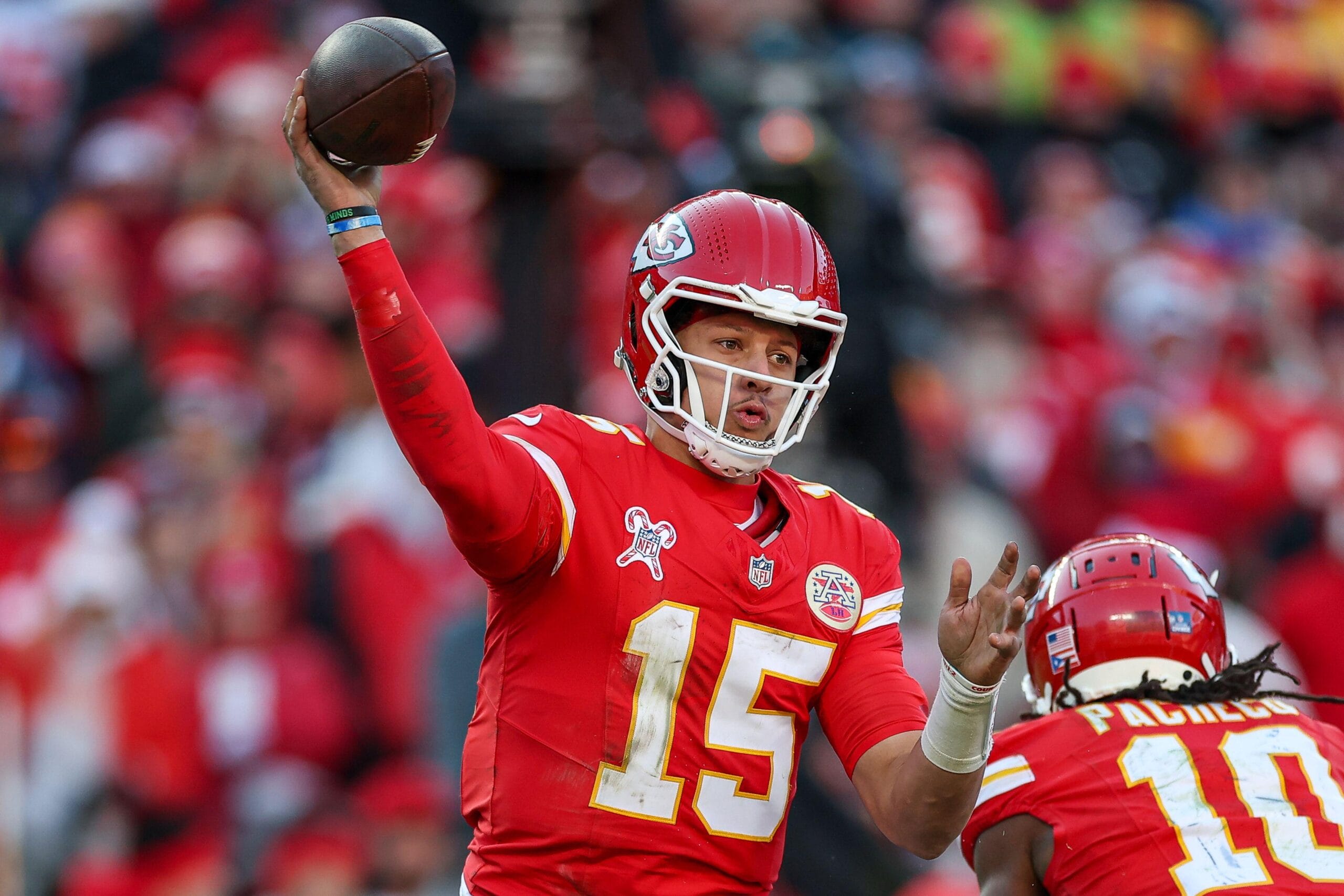
Fast forward to 2017, where quarterbacks like Patrick Mahomes and Deshaun Watson emerged as game-changers. Their improvisational playmaking became vital to modern NFL offenses, prompting teams to adapt their evaluations.
As the draft landscape shifted, prospects such as Josh Allen and Jalen Hurts demonstrated the importance of dual-threat capabilities, pushing organizations to seek out quarterbacks who could excel both in the pocket and on the ground.
Recent Trends and Future Directions
In recent seasons, we have witnessed a marked increase in dynamic quarterback play. This evolution is supported by data showcasing rising rushing grades and the uptick in designed runs for quarterbacks. In 2024, the rushing grade for QBs reached an all-time high, underlining their growing roles as legitimate offensive threats.
Moreover, the run-pass option (RPO) has become a staple in NFL offenses, with top quarterbacks displaying proficiency in execution. Currently, around 10% of NFL plays involve RPO concepts, while nearly a quarter of college football plays incorporate them. Quarterbacks adept at running successful RPOs are increasingly favored in draft evaluations.
Conclusion: The New Age of Evaluation 🏆
The attributes needed for quarterback success continue to adapt. While arm strength, accuracy, and decision-making remain essential, the ability to execute athletic plays and option football is now equally critical. As the NFL landscape matures, teams must evolve their evaluation strategies to include these factors, paving the way for the next wave of quarterback talent.
Ultimately, understanding the changes in quarterback evaluation is vital for franchise development in the fast-paced world of professional football. As we look ahead, keeping an eye on how these trends progress will be crucial for aspiring teams in their quest for gridiron glory.