

A Look Back at the 2009 NFL Draft: What If?
The world of the NFL Draft is full of excitement, speculation, and, often, surprises. Teams invest time, energy, and money to analyze prospects, but the reality is that outcomes can be unpredictable. So, let's take a nostalgic journey through the 2009 NFL Draft—this time with the benefit of hindsight! 🌟
First Round Reimagined
Imagine if teams could redo their selections, knowing what they know now. With access to comprehensive player statistics and performance metrics, it’s fascinating to envision how the first round could unfold differently.
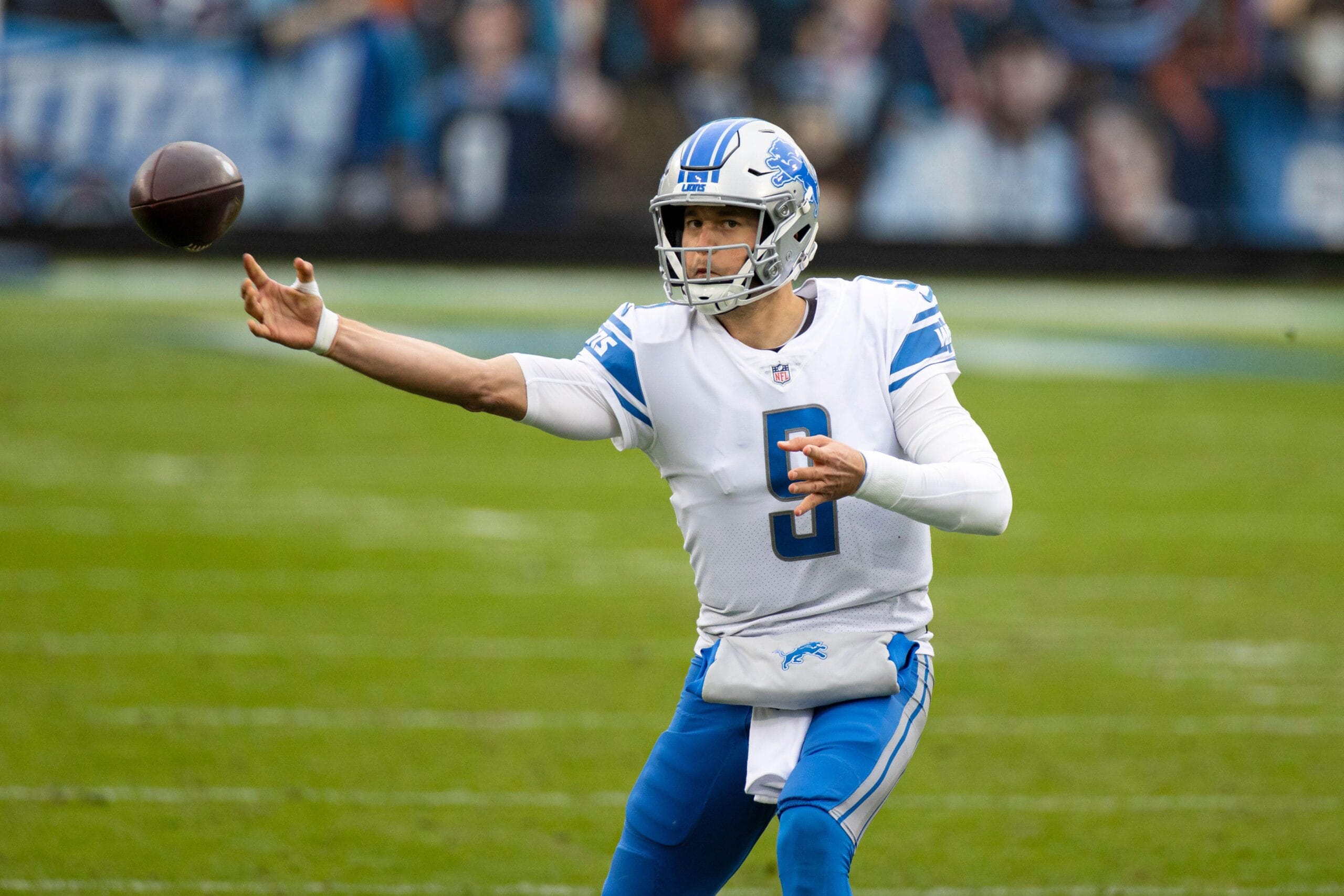
1. Detroit Lions: QB Matthew Stafford, Georgia (Round 1, Pick 1)
Sticking with their original choice, the Lions picked Stafford—and it's hard to imagine them going another route. He has earned a 90.3 career PFF overall grade and is undoubtedly the best QB in Lions history. Winning a Super Bowl with the Rams solidified his legacy further. 🏆
2. St. Louis Rams: EDGE Clay Matthews, USC (Round 1, Pick 26)
The Rams missed the mark initially with their selection, but choosing Matthews would have been a game-changer. His stellar performance with the Packers earned him All-Pro honors and made him a key player during his time with the team.
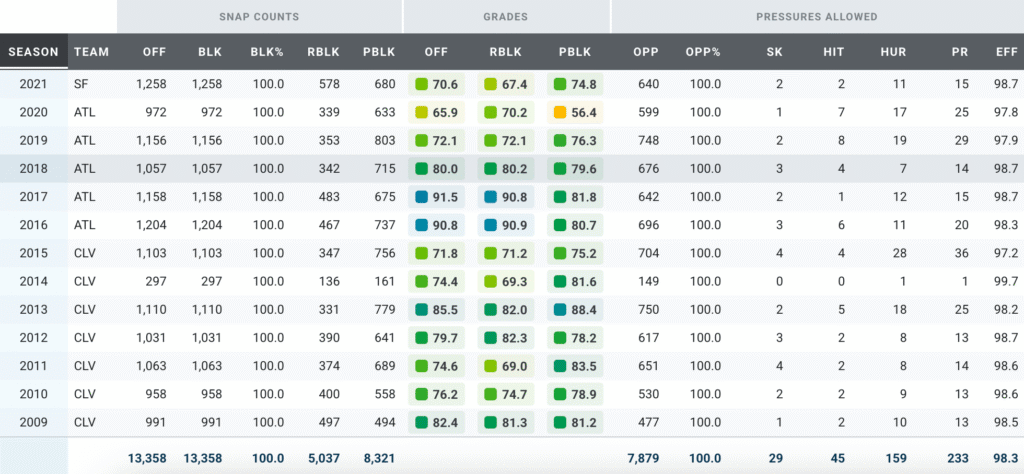
3. Kansas City Chiefs: C Alex Mack, California (Round 2, Pick 53)
Back in 2009, the Chiefs' offensive line was struggling, ranking 31st in the league. Mack emerged as a dominant force in his role, earning seven Pro Bowl selections and a PFF overall grade of 90.9. He would have transformed Kansas City's offensive front. 🏈
Alex Mack's Career PFF Grades
4. Seattle Seahawks: EDGE Brian Orakpo, Texas (Round 1, Pick 13)
Originally, the Seahawks opted for Aaron Curry, who unfortunately didn't live up to expectations. Choosing Orakpo would have been a wise move; he consistently racked up impressive pass-rush grades and contributed significantly over his ten-year career.
5. Cleveland Browns: RB LeSean McCoy, Pittsburgh (Round 2, Pick 53)
In a notable change, the Browns could replace Jamal Lewis with McCoy, who was a dual-threat running back. With two All-Pro titles and multiple Pro Bowl appearances, McCoy ranks among the top 25 running backs in terms of rushing and receiving yards. 🥇
6. Cincinnati Bengals: C Max Unger, Oregon (Round 2, Pick 49)
Initially, the Bengals went for Andre Smith, but opting for Unger would rewrite history. He consistently received high grades in pass blocking, solidifying the offensive line for years to come.
7. Oakland Raiders: WR Julian Edelman, Kent State (Round 7, Pick 232)
The Raiders took a chance on speedster Darrius Heyward-Bey, who ultimately underperformed. In this alternate reality, selecting Julian Edelman, a Super Bowl MVP, would have brought elite production to the Raiders' offense. 🎉
8. Jacksonville Jaguars: S Malcolm Jenkins, Ohio State (Round 1, Pick 14)
With the departure of Reggie Nelson from Jacksonville, Jenkins would have provided stability in the secondary. He became one of the best safeties in the league, securing multiple postseason accolades.
9. Green Bay Packers: EDGE Michael Bennett, Texas A&M (Undrafted)
The Packers originally sought defensive line help in this draft, but they could have drastically improved by selecting Bennett, the best undrafted player of this class, who recorded an impressive overall grade as a Pro Bowler.
10. San Francisco 49ers: WR Michael Crabtree, Texas Tech (Round 1, Pick 10)
Crabtree initially had high expectations, and while not a Hall of Famer, he delivered solid performances throughout his career. With consistent receiving grades, he would fill a vital role for the 49ers.
11. Buffalo Bills: TE Jared Cook, South Carolina (Round 3, Pick 89)
Instead of Aaron Maybin, Cook would give the Bills the dynamic tight end they sorely needed, posting a respectable career PFF receiving grade and contributing for over a decade.
12. Denver Broncos: RB Arian Foster, Tennessee (Undrafted)
Foster, undrafted in 2009, would be a steal for any team looking for offensive firepower. Despite a relatively short career, he amassed impressive rushing yards and PFF grades, making him a memorable player.
13. Washington: G T.J. Lang, Eastern Michigan (Round 4, Pick 109)
Washington could bolster its offensive line by drafting Lang, who went on to become a two-time Pro Bowler and would be an invaluable asset for their protection schemes.
14. New Orleans Saints: T Sebastian Vollmer, Houston (Round 2, Pick 58)
The Saints could address their offensive line by taking Vollmer, a solid second-round pick who consistently excelled as a run blocker, helping to bolster their protection efforts.
15. Houston Texans: S Glover Quin, New Mexico (Round 4, Pick 112)
Returning to their roots, the Texans would bring back a player they originally drafted, Quin, who earned Pro Bowl honors for his performance in the secondary.
16. San Diego Chargers: C Eric Wood, Louisville (Round 1, Pick 28)
Wood turned out to be a solid center who would offer stability and leadership for the Chargers, starting for eight seasons in the NFL. 🤝
17. New York Jets: WR Mike Wallace, Ole Miss (Round 3, Pick 84)
In this revised draft, the Jets take Wallace, who could have provided a much-needed weapon for their future QB. His Pro Bowl season with the Steelers is a key highlight of his career.
18. Denver Broncos: CB Lardarius Webb, Nicholls State (Round 3, Pick 88)
Pairing Webb with Champ Bailey would have enhanced the Broncos' secondary, as Webb was known for his strong run-defense grades.
19. Tampa Bay Buccaneers: EDGE Robert Ayers, Tennessee (Round 1, Pick 18)
Selecting Ayers would bolster the Buccaneers' defense. Known for his effective pass rush, he would contribute significantly to Tampa Bay's defensive schemes.
20. Detroit Lions: LB Brian Cushing, USC (Round 1, Pick 15)
Cushing would have filled an immediate need for the Lions as a linebacker, providing presence and tackling prowess.
21. Philadelphia Eagles: WR Jeremy Maclin, Missouri (Round 1, Pick 19)
The Eagles stick with their pick of Maclin, who had a solid career and contributed well to the team’s receiving core.
22. Minnesota Vikings: WR Percy Harvin, Florida (Round 1, Pick 22)
Despite injuries, Harvin's electric speed made him an explosive playmaker while he was active, and the Vikings would benefit from his talents early in his career. ⚡️
23. New England Patriots: S Jason McCourty, Rutgers (Round 6, Pick 203)
The Patriots could seize McCourty for their secondary, bolstering their defense with a player who earned significant accolades during his career.
24. Atlanta Falcons: S Patrick Chung, Oregon (Round 2, Pick 34)
Chung, with a lengthy career, could provide the Falcons with strong safety play, especially later in the draft.
25. Miami Dolphins: CB Vontae Davis, Illinois (Round 1, Pick 25)
The Dolphins stick with Davis here, recognizing his potential and proven ability in coverage as he earned Pro Bowl honors multiple times.
26. Baltimore Ravens: T Eugene Monroe, Virginia (Round 1, Pick 8)
While Monroe's career didn't quite meet top-10 expectations, his selection would still be valuable for the Ravens' offensive line.
27. Indianapolis Colts: WR Hakeem Nicks, North Carolina (Round 1, Pick 29)
Nicks would provide the Colts with the offensive weaponry they sought. His impressive numbers, especially during Super Bowl runs, make him a valuable addition.
28. Buffalo Bills: S Jairus Byrd, Oregon (Round 2, Pick 42)
Byrd played well enough with the Bills to warrant a higher selection, showcasing his exceptional single-season grades during his career.
29. New York Giants: WR Kenny Britt, Rutgers (Round 1, Pick 30)
The Giants pivot post-Nicks to select Britt and fortify their receiving corps, bringing in a player who racked up significant yardage throughout his career.
30. Tennessee Titans: T Phil Loadholt, Oklahoma (Round 2, Pick 54)
Loadholt's run-blocking prowess helps solidify the Titans' line, earning him a spot in this reimagined draft.
31. Arizona Cardinals: CB Sean Smith, Utah (Round 2, Pick 66)
Selecting Smith would strengthen Arizona’s secondary and provide a reliable player over the years.
32. Pittsburgh Steelers: T Michael Oher, Ole Miss (Round 1, Pick 23)
While Oher's career wasn’t the dominant force many expected, he was solid enough to cap off our revised first round with a notable selection.
In conclusion, the draft is a whimsical dance between risk and reward. Reflecting on past drafts with the benefit of hindsight provides insights into how franchise decisions can alter a team's fate. Whether teams would have thrived or still stumbled in this alternate reality will remain topics of spirited debate for years to come! 🌈