

Maximizing Draft Value: Strategic Choices on Draft Day 🏈
Estimated reading time: 11 minutes
Drafting elite players requires a deep understanding of value. Teams often capitalize on depth at various positions, identifying when a more secure prospect may be the right choice. First-round picks generally align with positional necessities and projected upside. However, this year’s draft features a narrower pool of players who have the potential to be transformative talents, making it essential for teams to be strategic about their selections.
In this draft cycle, the gap between the 10th and 100th prospects feels remarkably small, especially in positions with greater depth—such as running backs, edge defenders, and interior linemen. Teams must develop a comprehensive plan for draft weekend to extract maximum value from each selection, not limited to just their top-round choices. Occasionally, it may be more prudent to forgo a Day 1 prospect in favor of similarly skilled players available on Days 2 or 3. This approach allows teams to leverage the strength of certain positions, broadening the overall value of their entire draft class.
Let’s explore three notable first-round candidates whose obvious talents provoke the question: Why select here when options of equivalent value could be available later in the draft?
💡 TreVeyon Henderson vs. Jarquez Hunter: A Lesser-Talked Comparison
TreVeyon Henderson concluded his collegiate career with an impressive 1,010 rushing yards and an average of 4.4 yards after contact. Additionally, he shone in the passing game with 26 receptions, accumulating 281 yards. His remarkable speed was highlighted by a 4.43-second dash in the 40-yard sprint and a 38.5-inch vertical leap at the 2025 NFL Scouting Combine.
Despite being positioned 59th on many big boards and drawing attention from teams like the Denver Broncos and Pittsburgh Steelers, both armed with back-to-back first-round picks, one must question whether selecting him at this stage is the best approach.
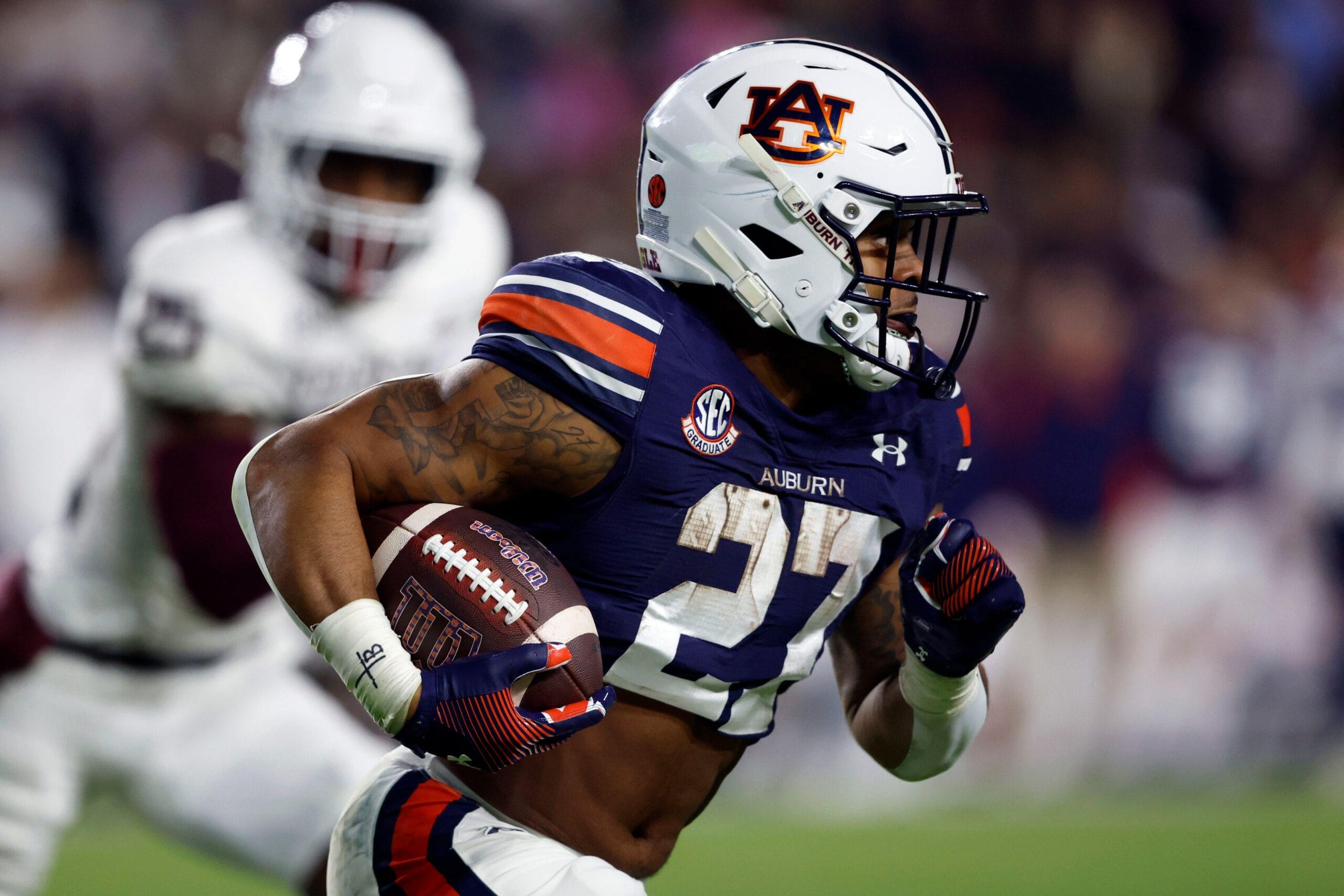
On the flip side, Jarquez Hunter from Auburn presents an intriguing alternative. Hunter stands merely an inch shorter and weighs slightly more than Henderson, clocking in at 4.44 seconds in the 40-yard dash—exactly matching Henderson's speed. While both players produced similar rushing yards (with Hunter tallying 1,211 and an average of 4.1 yards after contact), it's Hunter's elusiveness that sets him apart; he forced 59 missed tackles compared to Henderson's 37.
The insight here isn’t to undervalue Henderson but to highlight that Hunter could provide a comparable skill set at a later draft stage, potentially allowing teams to allocate their first-round picks to address different positional needs.
⚡ Walter Nolen vs. Aeneas Peebles: Defensive Line Dilemma
Walter Nolen made an impactful transition to Mississippi, recording a staggering 91.6 run-defense grade, ranking second nationally. His ability to power through linemen has brought him considerable attention and makes him a strong candidate for the first round. However, while his quickness and strength are apparent, questions about his technical skills persist. Specifically, his reliance on power moves without a broad array of counter techniques may hinder his effectiveness at the professional level.
In comparison, Aeneas Peebles from Virginia Tech has demonstrated a strong command over his position, showcasing a solid variety of techniques like swims and rip moves, coupled with his impressive speed (4.70 seconds in the 40). Moreover, in terms of run-defense efficiency, Peebles has superior grades, outpacing Nolen in both pass-rush win percentage and consistency against blockers.
Though Nolen garners significant first-round buzz with a high ranking, Peebles offers a tantalizing skill set that could provide similar or better performance, making him an appealing target on Day 3, thus allowing teams to utilize their first-round picks on more pressing concerns.
🛡️ Nick Emmanwori vs. Kevin Winston Jr.: Safety Showdown
In the safety realm, Nick Emmanwori from South Carolina dazzled participants at the 2025 scouting combine with a 4.38-second 40-yard dash and a vertical jump that reached 43 inches. His statistics from collegiate play—earning an impressive 86.3 coverage grade—suggest he is ready for the NFL spotlight. However, examining the circumstances of his interceptions draws some skepticism, as several were aided by fortuitous scenarios rather than pure skill.
Conversely, Kevin Winston Jr. from Penn State, despite facing injury setbacks during the 2024 season, boasted the highest overall grade among safety prospects in 2023. His stellar run-defense grade with zero missed tackles speaks volumes about his instincts and capability on the field. Although Emmanwori exhibits raw athleticism, Winston's polished technique may offer teams better long-term potential.
Winston's current ranking puts him in line for Day 2 selections, whereas Emmanwori might tempt teams to stretch for him on Day 1. Given the differences in their readiness for the NFL, many might question the logic behind opting for an unrefined talent when a more developed and equally athletic prospect awaits.
Conclusion: The Art of Strategic Drafting 🎯
As draft weekend approaches, the landscape remains complex and filled with opportunity. Teams that successfully evaluate talent and make sound decisions about positional value will position themselves well for future success. By contemplating which players provide the maximum return at various draft points, teams can work effectively within their strategies to cultivate a robust roster, ready to tackle the upcoming season.
Each pick carries weight; by recognizing the depth and scope of talent available, organizations can make nuanced decisions that could impact their performance for years to come. As true sports fans, let’s pay attention not just to the talents selected but also to the strategic choices that shape the future of the game we all love. 🎉