

Analyzing NFL Offensive Trends: Insights from K-Means Clustering ⚽
Understanding Offensive Dynamics
As the NFL offseason progresses, it's an ideal moment to reflect on how teams have performed offensively in recent years. Exploring their schematic preferences can provide valuable insights. Advanced metrics can deliver a clear view of the trends influencing offensive performance across the league.
K-Means Clustering: A Data-Driven Approach 📊
To decode these complex dynamics, we utilize K-Means Clustering. This algorithm analyzes diverse inputs—like expected points added (EPA) per play and player grades—and sorts teams into distinct groups based on shared characteristics. This method allows for a streamlined interpretation of intricate data, making it easier to derive actionable insights.
Upon analyzing the data, we create various offensive clusters or tiers. These groupings reveal patterns and enable us to rank teams based on their effectiveness, as measured by average EPA per play.
Tiered Offensive Rankings 🌟
The Elite: Bills and Ravens 🦅
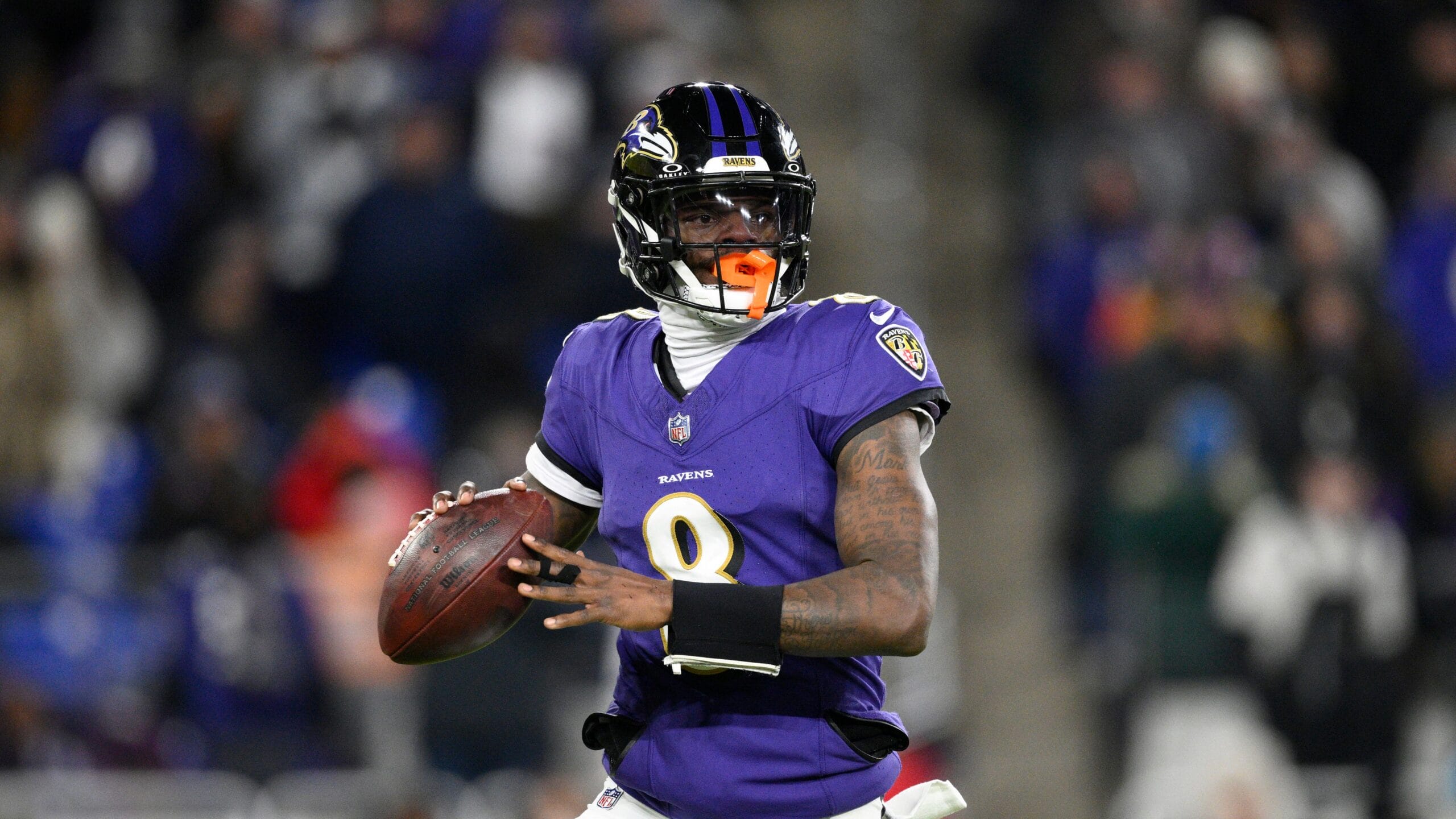
At the pinnacle are the Buffalo Bills and Baltimore Ravens. Despite failing to reach the Super Bowl, both teams have consistently showcased some of the most effective offenses in the league over the past three seasons. Their strategies and player performances have kept them at the forefront of the NFL offensive landscape.
Climbing Down the Ladder
Descending the tiers, weaknesses start to become more apparent. Issues like inefficiency, inconsistency, or limitations in personnel have hindered these teams from joining the upper echelon.
The gap between the top tiers is relatively slight, indicating competitiveness among leading squads. Teams such as the 49ers, Lions, and Eagles have benefited from solid offensive line play but may not be as efficient in ground game execution compared to the Ravens and Bills.
Quarterback Performance in Tier 3 🎯
Among the teams in Tier 3, several quarterbacks stand out. Joe Burrow boasts a league-high passing grade of 93.5, while Patrick Mahomes and Justin Herbert also rank high with grades of 90.9 and 89.8, respectively. Baker Mayfield has been productive as well, throwing 87 touchdown passes—the sixth-most in both regular and postseason play.
However, quarterback consistency often met challenges from subpar rushing performances, limiting what these teams can accomplish.
Rushing Efficiency
A closer examination of each team's passing and rushing EPA per play reveals trends that are concerning for many Tier 3 teams. These squads often struggle to complement their passing prowess with an effective ground game.
For instance, the Buccaneers have recently taken steps to address this issue, improving from a league-low 3.5 yards per carry in 2023 to a substantial 5.2 yards in 2024, thanks to the addition of Bucky Irving.
Strengths and Weaknesses by Tier 📋
By utilizing variables from our clustering analysis, we can generate a comprehensive strengths and weaknesses table for each offensive tier. Strengths are defined by metrics where a team ranks in the top two across clusters, while weaknesses highlight the areas where a team falls into the bottom two.
While these generalizations may not apply to every team—due to unique circumstances—they serve as solid representations of the clusters overall.
Offensive Scheme and Trends 🏈
Principal Component Analysis
To wrap things up, let’s examine some overarching scheme trends through the lens of principal component analysis (PCA). This technique condenses numerous variables, such as play-action rates, RPO usage, and motion frequency, into smaller, principal components that can be plotted for clearer visualization.
The first two components illustrate how similarly or differently teams operate offensively, allowing us to identify trends and tendencies.
Understanding Predictability vs. Efficiency
Shannon Entropy offers another layer of insight by evaluating how predictable an offense is based on its schematic habits. Offenses that predominantly utilize a single formation, like the shotgun, are deemed more predictable than those that diversify their looks.
Plotting predictability against efficiency can yield intriguing results. Surprisingly, little correlation exists between these two factors, suggesting that teams with highly efficient offenses may also possess diverse schemes or vice versa.
Facing the Challenge of Top Offenses
This leaves teams facing a formidable challenge—whether trying to thwart the efficiency and diversity of teams like the Ravens or stopping the powerhouse offenses such as the 49ers, Chiefs, and Lions that may be less diverse yet equally effective.
Conclusion: Building a Roadmap for Future Offenses 🗺️
Through our exploration of NFL offensive trends and team clustering, we have developed a thorough roadmap of recent performances. With coaching dynamics continuously evolving—like Ben Johnson's new role in Chicago—this framework provides essential insights for forecasting potential shifts and changes heading into the 2025 season.
In essence, understanding these offensive trends can shape preparation and strategy, making this analysis a valuable resource for teams, fans, and analysts alike. 🌟